Track Advantages: How to Assess Which Horses Have the Edge on the Track

Track Advantages: How to Assess Which Horses Have the Edge on the Track
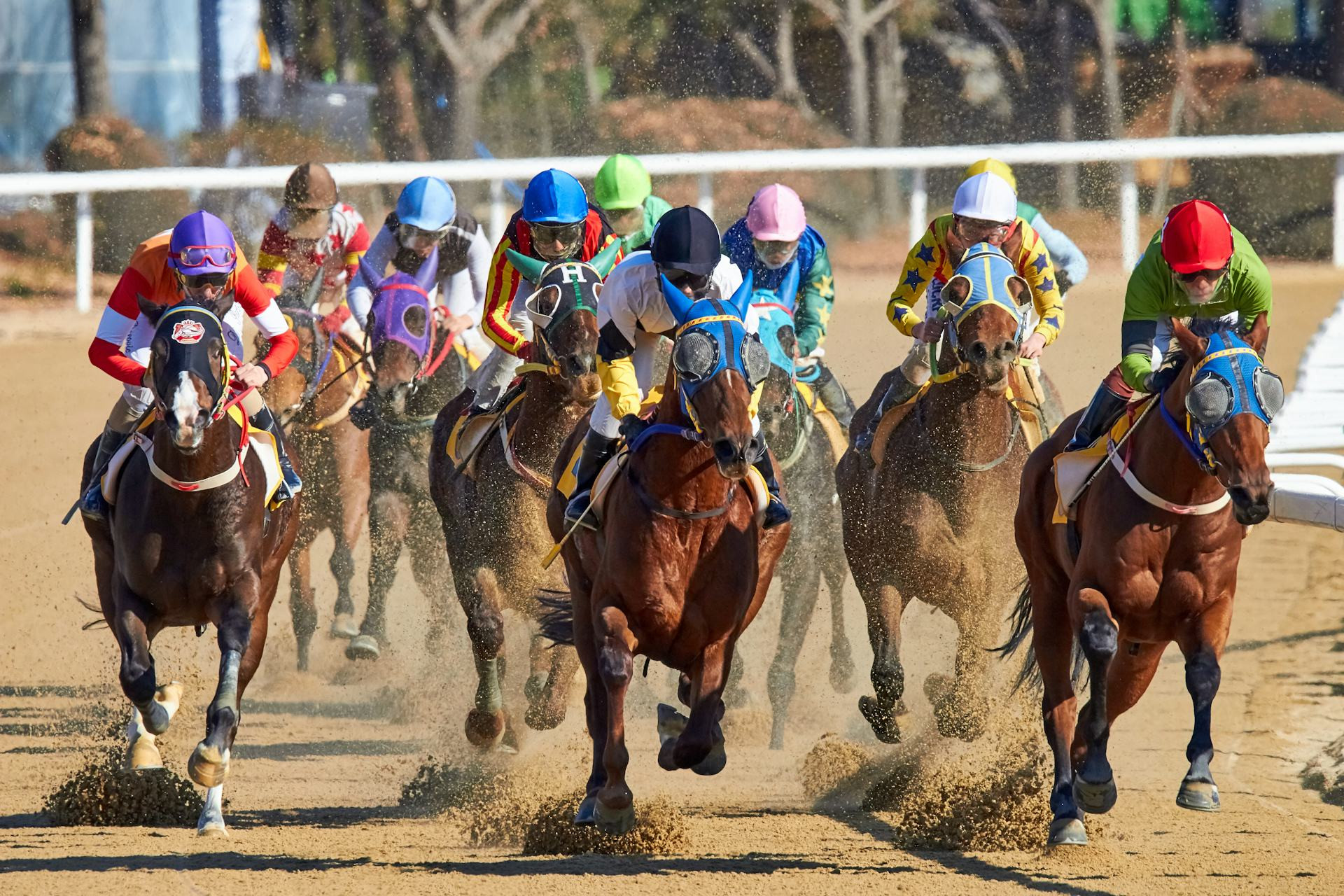
When it comes to horse racing, it’s not just the horse’s form or the jockey’s skill that determines the outcome. The track itself plays a much bigger role than many bettors realize. Some horses thrive on firm, fast surfaces, while others perform best when the ground is soft and heavy. Understanding how track conditions influence performance can be the key to spotting hidden value in a race. Here’s a guide to assessing track advantages—and how to use them to your benefit.
What Do Track Conditions Mean?
Track conditions describe how firm or soft the racing surface is. In Canada, as in much of North America, you’ll often see terms like fast, good, muddy, or sloppy for dirt tracks, and firm, good, or yielding for turf courses. These conditions depend heavily on the weather, especially rainfall in the days leading up to the race.
- Fast track: A dry, firm surface that allows for quick times. Horses with natural speed and smooth action tend to excel.
- Good track: Slightly less firm, offering a fair surface for most runners.
- Muddy or sloppy track: Wet conditions that favor strong, powerful horses who can handle kickback and maintain traction.
- Yielding or soft turf: Damp grass that slows the pace and rewards stamina over speed.
Knowing the difference can help you determine whether a horse is likely to have an advantage—or face a challenge—on race day.
Know Each Horse’s Preferences
Just like people, horses have their own preferences. Some love a dry, fast track, while others lose their stride when the ground gets too firm. You can find valuable clues in a horse’s past performances:
- Check race comments and form notes—does it say the horse “handled the mud well” or “didn’t like the firm ground”?
- Compare finishing positions and times under different conditions. A horse that consistently runs better in wet weather is worth noting.
- Look at pedigree—certain bloodlines are known for producing offspring that perform better on specific surfaces or conditions.
By combining these insights, you can build a clearer picture of which conditions suit each horse best.
Track Layout and Location
No two racetracks are exactly alike. Some have tight turns, others long home stretches, and some feature subtle elevation changes. These differences can give certain horses a natural edge.
- Tight turns favor agile horses with good balance.
- Long stretches benefit strong finishers who can accelerate late.
- Hilly or undulating tracks test endurance—horses with stamina often perform better here.
In Canada, for example, Woodbine’s long stretch on the turf course can help closers, while smaller tracks like Assiniboia Downs reward early speed. Wind direction and post position can also matter—a wide draw on a sharp turn can force a horse to cover extra ground, while an inside post can offer a tactical advantage.
Local Specialists – Horses with a Home Advantage
Some horses simply perform better at certain tracks. It might be the surface composition, the travel distance, or even the atmosphere. These “track specialists” are worth watching—especially when they return to a venue where they’ve previously won.
Check a horse’s track-by-track record. If a horse has multiple wins from a handful of starts at a particular track, that’s a strong signal it feels comfortable there. Even if its recent form looks average, returning to a favorite track can spark a big performance.
Læs også:




How to Use Track Advantages in Your Analysis
When evaluating a race, you can follow this step-by-step approach:
- Check the day’s track report – what are the official conditions?
- Compare with past performances under similar conditions.
- Assess the competition – which horses are helped or hindered by the surface?
- Consider the jockey’s experience – some riders know how to handle specific tracks better than others.
- Think about race tactics – a front-runner on a heavy track may struggle, while a strong closer could benefit.
By combining these factors, you’ll gain a more complete understanding of the race—and a better chance of finding value in the odds.
Track Conditions Can Change – Stay Updated
Weather can shift quickly, and so can the track. A “fast” track in the morning can turn “muddy” after a sudden downpour. That’s why it’s crucial to follow official updates from the track and expert commentary right up to post time.
Many seasoned bettors adjust their wagers at the last minute because changing conditions can completely alter how a race unfolds.
Track Advantages as Part of the Bigger Picture
Track conditions are just one piece of the puzzle—but one of the most overlooked. When you learn to read the track and understand which horses perform best under which circumstances, you gain an edge over many other bettors.
It’s not about finding the perfect horse—it’s about finding the one with the best setup on the day. And often, that’s where the smartest bets are made.
Læs også: