The Role of the Media: How Coverage Has Changed the Audience’s Experience of Horse Racing


The Role of the Media: How Coverage Has Changed the Audience’s Experience of Horse Racing
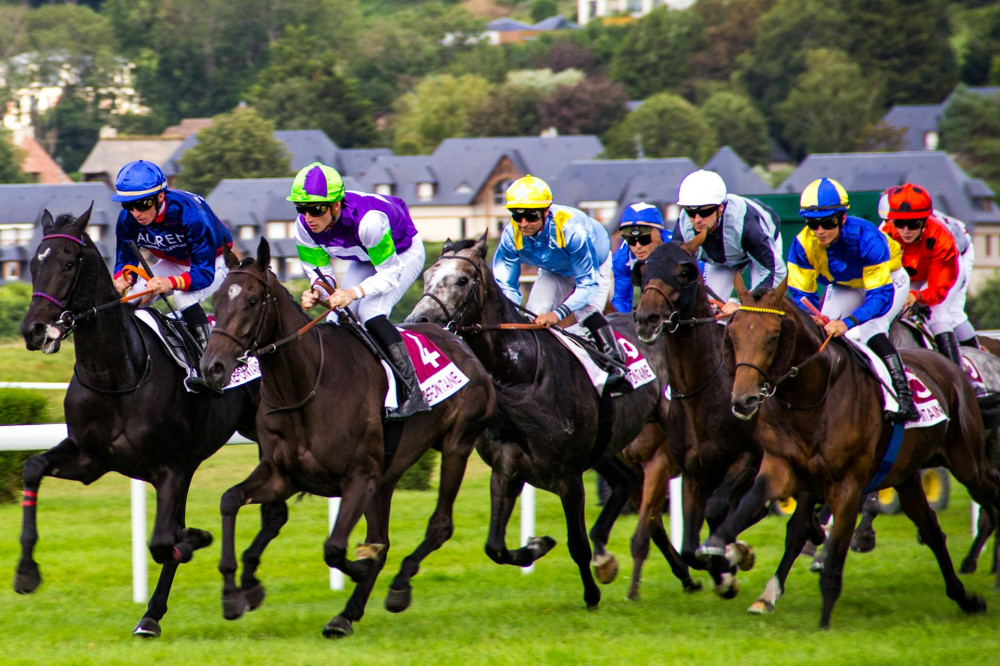
Horse racing has long been a sport of speed, tradition, and spectacle. Yet the way Canadians experience it has evolved dramatically alongside the media landscape. From newspaper columns to live-streamed races and social media highlights, coverage has shaped how audiences understand, engage with, and feel about the sport. Today, horse racing is not just an event on the track—it is a media experience, crafted and consumed through screens.
From Print to Television – The Beginning of a New Era
In the early 20th century, horse racing in Canada was an event best experienced in person. Newspapers reported results and brief summaries, but the thrill of the race—the pounding hooves and the roar of the crowd—was reserved for those at the track. The arrival of radio and later television changed that dynamic.
By the 1960s and 70s, televised coverage brought the Queen’s Plate, the Prince of Wales Stakes, and other major races into living rooms across the country. Commentators narrated the action, explained tactics, and introduced viewers to the personalities behind the sport. This new accessibility created a shared national experience: Canadians could follow the races from home and still feel part of the excitement.
Experts, Data, and Storytelling
As media coverage became more sophisticated, the focus expanded beyond the race itself. Analysts began to discuss form, breeding, and training strategies, while statistics became a key part of the broadcast. Viewers were no longer passive spectators—they were informed participants, able to interpret and anticipate outcomes.
At the same time, storytelling became central to how the sport was presented. Horses were portrayed as athletes with character and temperament, and jockeys as skilled competitors with courage and intuition. These narratives humanized the sport and deepened emotional engagement, turning each race into a story rather than just a contest.
Digitalization and Live Streaming – The Experience Moves Online
Today, horse racing is a digital experience. Most major Canadian races can be streamed live, and social media platforms offer behind-the-scenes glimpses of training, stable life, and post-race interviews. Fans can comment, share, and debate in real time—a level of interactivity that was unimaginable a generation ago.
This shift has made the sport more accessible but also more fragmented. Instead of gathering around a single television broadcast, audiences now follow individual YouTube channels, betting apps, or social media accounts. The experience is increasingly personalized, shaped by each viewer’s interests—whether that’s wagering, athletic performance, or the atmosphere of the event.
Læs også:



Betting and Media Integration
One of the most significant changes in how audiences experience horse racing is the integration of betting into media coverage. Many platforms now combine live footage with odds, expert picks, and interactive tools. This creates a more active viewer role—fans are not just watching but participating, both emotionally and financially.
This development has its advantages and challenges. On one hand, it heightens engagement and makes the experience more immersive. On the other, it risks shifting attention from the sport’s athletic and cultural aspects to its gambling dimension. Maintaining a balance between integrity and entertainment remains a key issue for broadcasters and racing organizations alike.
Social Media and New Voices
Where coverage was once dominated by traditional broadcasters and newspapers, social media has opened the field to new voices. Trainers, jockeys, and fans now share their own content directly with the public. This has made the sport more transparent and authentic, but also more diverse and decentralized in how information circulates.
For many fans, this direct connection is what keeps the sport alive. They can follow their favourite stables on Instagram, watch training clips on TikTok, or join discussions on X (formerly Twitter). These digital communities extend the excitement of race day into an ongoing conversation that spans the entire season.
The Future – Between Tradition and Technology
The future of horse racing coverage in Canada will likely blend tradition with innovation. Virtual and augmented reality could allow fans to “stand” at the rail from their living rooms, while data analytics and artificial intelligence may offer deeper insights into performance and strategy.
Yet no matter how technology evolves, the essence of the sport remains unchanged: the tension before the gates open, the thunder of hooves, and the surge of adrenaline as the horses charge toward the finish line. Media may transform how we see it—but not the feeling of being part of the race itself.
Læs også: