The market stabilizes before the race starts: Why timing is crucial


The market stabilizes before the race starts: Why timing is crucial
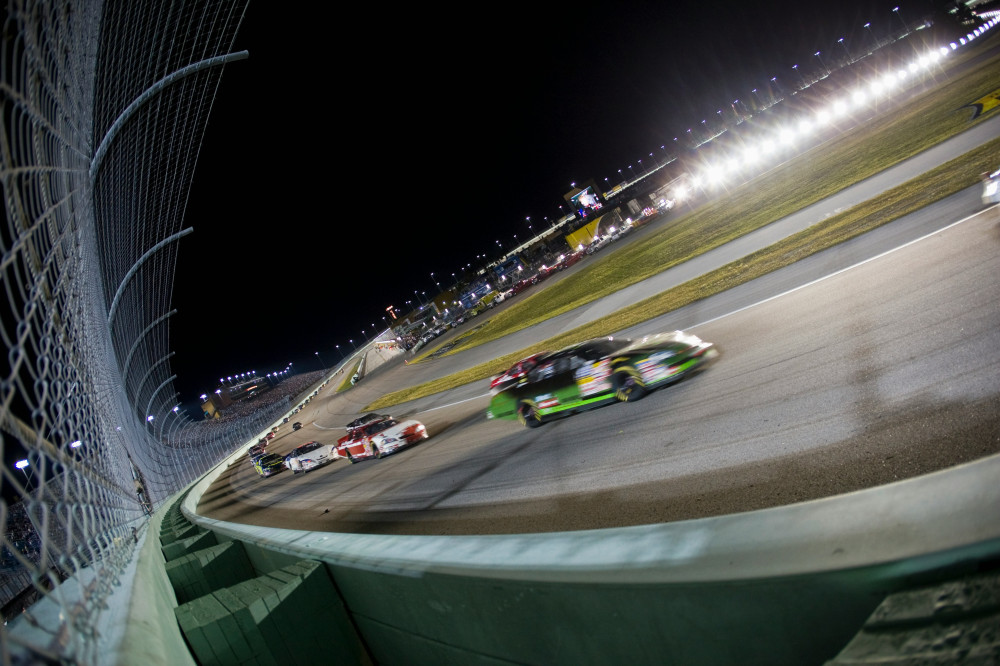
As the engines roar to life and the countdown begins, something interesting happens—not just on the track, but in the betting markets as well. In the days leading up to a race, odds fluctuate with every rumour, practice result, and weather update. But as race day approaches, the market begins to settle. Prices find their balance. For motorsport bettors, this is the moment when timing becomes everything. Knowing when to place your bet can make the difference between finding value and chasing a lost edge.
From speculation to stability
In the early days before a race, uncertainty dominates. Sportsbooks adjust their odds constantly as new information emerges—a driver’s performance in practice, a last-minute mechanical issue, or a change in weather can all shift the lines dramatically. Experienced bettors use this period to spot value before the market fully reacts.
But as the race draws near, more data becomes available. Qualifying sessions reveal true pace, and bookmakers refine their models accordingly. The result is a more “efficient” market, where odds more accurately reflect real probabilities. The window for finding mispriced bets narrows, and timing becomes a strategic decision rather than a guess.
When is the best time to bet?
There’s no single right answer—it depends on your approach as a bettor.
- The early bettor thrives on uncertainty. They look for mistakes in the bookmaker’s initial odds before the market corrects itself. This strategy demands quick reactions, deep knowledge, and a strong sense of how news impacts prices.
- The patient bettor waits for the market to settle. By betting closer to race time, they trade potential value for stability, making decisions based on a clearer picture of performance and conditions.
Many Canadian bettors combine both approaches: placing early bets when they see clear value, then adjusting or adding positions once the market has stabilized.
Læs også:

Reading market movements
Watching how odds move can reveal valuable insights. A sharp drop in odds often means that many bettors have spotted the same value—or that new information has shifted the probabilities. Conversely, rising odds may signal that the market sees less chance of success than before.
However, not every movement tells the full story. In motorsport, where small details can have big consequences, markets sometimes overreact to a single event. The skilled bettor learns to recognize when an odds shift has gone too far—and when that overcorrection creates new value.
Timing and psychology
Timing isn’t just about numbers; it’s also about mindset. As the race approaches, excitement builds—especially when commentators and social media amplify the buzz. It’s easy to get caught up in the moment and place impulsive bets based on emotion rather than analysis.
Staying calm and sticking to your plan is one of the hardest but most important skills. The best bettors know that success doesn’t come from hitting the perfect moment every time, but from making consistently disciplined decisions that yield positive expected value over the long run.
Learn from the market—and from yourself
Whether you bet early or late, tracking your results is key. Record when you placed your bets and how the odds moved afterward. Over time, patterns will emerge: do you find more value in early speculation, or do your results improve when you wait for stability?
This kind of self-analysis is one of the most effective ways to refine your betting strategy. The market evolves constantly—and so can you, if you learn from your own data.
Conclusion: Timing as a competitive edge
When the market stabilizes before the race starts, it signals that information has been absorbed and odds now mirror reality more closely. For those seeking an edge, the challenge is to understand when uncertainty offers opportunity—and when it poses risk.
Timing isn’t about luck; it’s about discipline, analysis, and experience. In motorsport, where margins are razor-thin, the same principle applies both on the track and in the market: those who master timing give themselves the best chance to win.
Læs også: