From Accidents to Insights: How Data Analysis Enhances Safety in Motorsport

From Accidents to Insights: How Data Analysis Enhances Safety in Motorsport
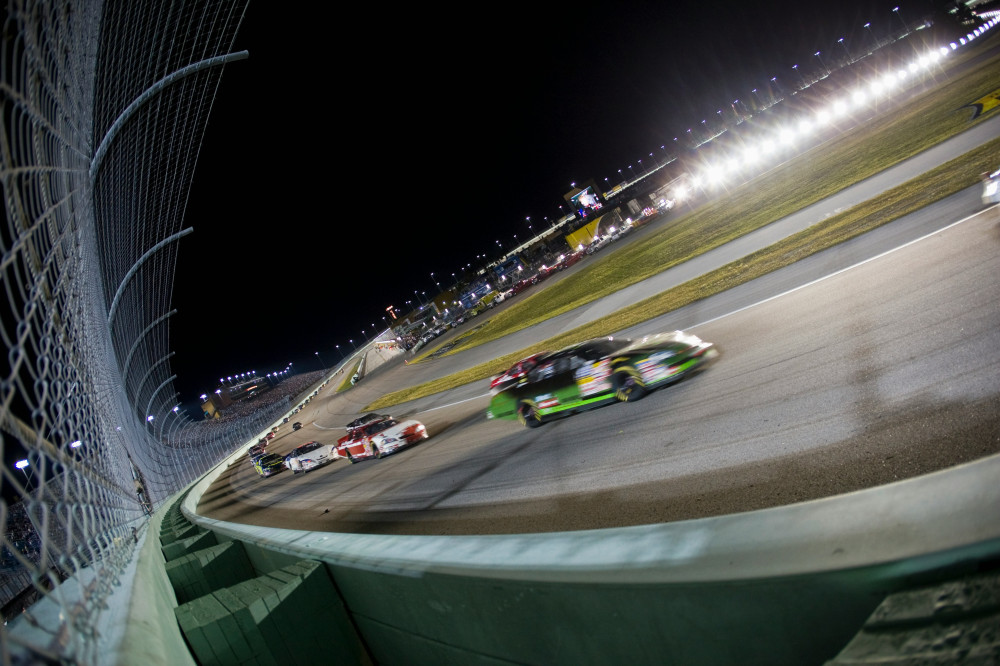
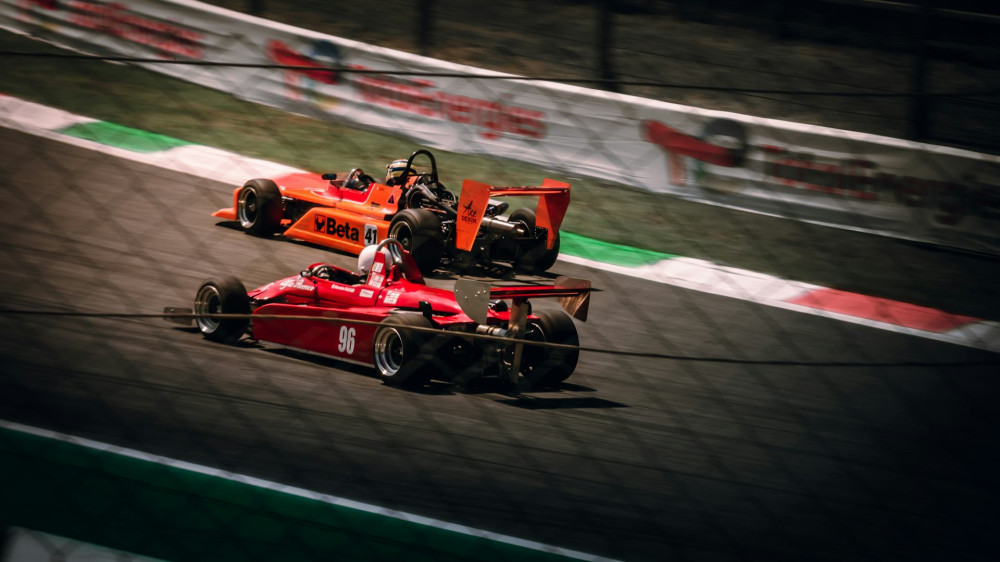
Motorsport has always been a thrilling blend of speed, skill, and risk. From Formula 1 to rally racing and motorcycle events, the sport attracts competitors and fans who are drawn to the fine line between control and chaos. Yet behind the roar of engines and the spectacle of competition lies a growing commitment to safety — and data analysis is at the heart of that transformation. Today, advanced sensors, algorithms, and simulations are helping teams understand accidents, predict risks, and create safer conditions for drivers and crews alike.
From Mechanical Intuition to Digital Understanding
In the early days of motorsport, safety relied heavily on experience and intuition. Mechanics and engineers learned from trial and error, but without precise data, it was difficult to pinpoint what went wrong. That has changed dramatically. Modern race cars are equipped with hundreds of sensors that record everything from tire pressure and engine load to G-forces and temperature — all in real time.
These data streams are transmitted directly to engineers, who can analyze patterns and respond instantly. If a car shows signs of overheating or instability in its suspension, the team can alert the driver before the issue becomes dangerous. This proactive approach means that potential accidents can often be prevented before they happen.
Turning Crashes into Knowledge
Even with cutting-edge technology, accidents remain an inevitable part of motorsport. But when they occur, they are now analyzed with unprecedented precision. Every movement, impact, and component failure is recorded and examined. By combining sensor data with video footage and telemetry, experts can reconstruct incidents down to the millisecond.
Formula 1’s “crash data recorders,” for example, capture the forces a driver experiences during a collision. These insights have led to major safety innovations — from stronger chassis designs to protective equipment like the halo cockpit device, which has saved multiple lives since its introduction. Similar systems are now used in other racing series, including those held in North America, where organizations like IndyCar and IMSA have adopted comparable data-driven safety measures.
Simulations That Save Lives
Data analysis isn’t just about understanding the past — it’s also about predicting the future. Using advanced computer simulations, engineers can test thousands of scenarios without ever putting a car on the track. They can model how a vehicle behaves at different speeds, under various weather conditions, or during contact with barriers.
These simulations help improve both car design and track safety. By analyzing where accidents most often occur and how cars move when they leave the racing line, organizers can adjust corner layouts, run-off zones, and barrier placements. Canadian circuits such as Circuit Gilles Villeneuve in Montreal and Canadian Tire Motorsport Park have benefited from such data-driven refinements, ensuring that the tracks remain challenging yet safer for drivers and spectators alike.
The Human Element in Data
While technology plays an ever-larger role, the human factor remains central. Data analysis is increasingly used to monitor drivers’ physical and mental states. Heart rate, reaction time, and fatigue levels can be tracked in real time, allowing teams to optimize both performance and safety.
In endurance events like the 24 Hours of Daytona or the Canadian Endurance Racing series, such monitoring can be crucial. If a driver shows signs of exhaustion, the team can schedule an earlier driver change, reducing the risk of mistakes that could lead to accidents. It’s a reminder that data doesn’t just protect machines — it protects the people behind the wheel.
From the Track to the Road
One of the most fascinating outcomes of motorsport’s data revolution is how its lessons influence everyday driving. Technologies such as traction control, automatic emergency braking, and advanced airbag systems all trace their origins to racing research. When data is used to understand and prevent accidents on the track, the benefits often extend to public roads — improving safety for everyone from commuters in Toronto to truck drivers crossing the Rockies.
Læs også:


A New Era of Safety and Innovation
Motorsport will always carry an element of risk — it’s part of what makes it so captivating. But with data analysis as a guiding tool, the sport has entered a new era where knowledge and technology make it possible to balance speed with responsibility. Every crash becomes a source of insight, and every data point a step toward a safer future.
Ultimately, the goal isn’t to eliminate risk entirely, but to understand it. And that’s where data analysis proves its greatest value: it allows the sport to learn from the past, act wisely in the present, and protect the future — both on and off the track.
Læs også: