Patterns in Performance: How to Read Boxers’ Development Over Time


Patterns in Performance: How to Read Boxers’ Development Over Time
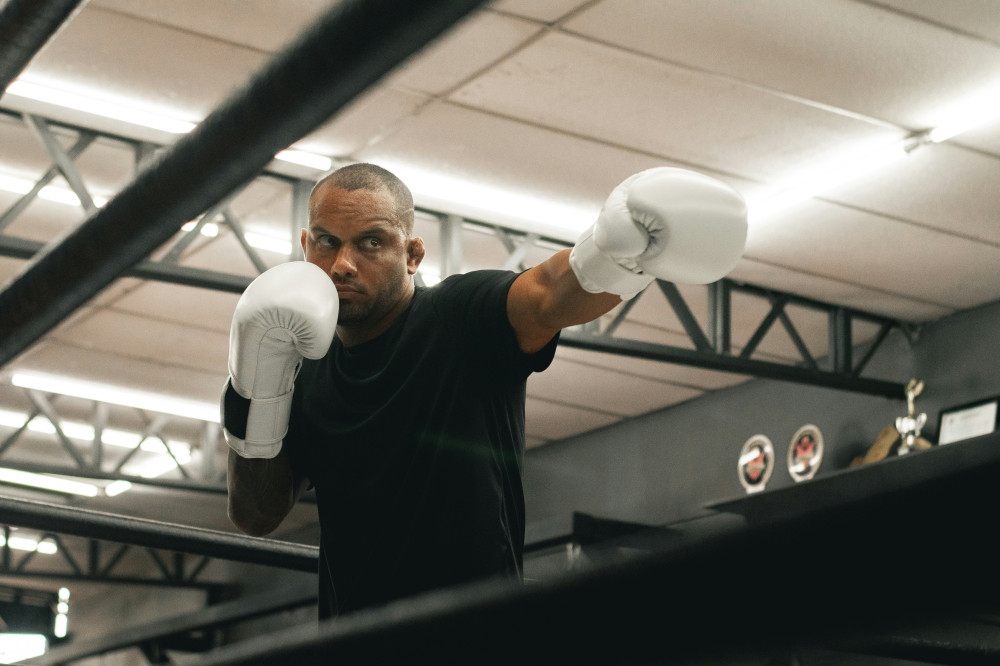
Understanding a boxer’s journey is about more than counting wins and losses. Behind the numbers lie patterns that reveal growth, form, and mental resilience. For coaches, fans, and analysts across Canada’s vibrant boxing scene, recognizing these patterns can make the difference between simply watching a fight and truly understanding it. Here’s how to read a boxer’s development over time.
Statistics Are Only the Starting Point
Most people begin with the record: wins, losses, and knockouts. But those figures tell only part of the story. A boxer with 20 wins might have faced less challenging opponents than one with 10 wins and 3 losses. That’s why it’s crucial to look at the quality of opposition—who did they fight, and under what circumstances?
Analyzing results over time can reveal deeper trends. Are victories increasingly coming by decision rather than knockout? That might suggest a shift toward a more tactical style or a decline in punching power. Conversely, a rise in early stoppages could indicate improved timing, confidence, or physical strength.
Watching the Evolution of Style
Every boxer evolves technically and strategically throughout their career. Early on, many rely on aggression and raw energy. With experience, they often develop a more measured approach, controlling distance and tempo more effectively.
When reviewing fights over time, pay attention to:
- Movement and footwork: Is the boxer better at avoiding punches and managing ring space?
- Punch variety: Are combinations becoming more complex, or do the same patterns repeat?
- Defense: Are openings being closed, or do the same vulnerabilities persist?
These details show whether a boxer is learning from experience or plateauing in their development.
Læs også:



Physical Conditioning and Weight Classes
Boxers often move between weight classes as their careers progress. This can signal ambition—or struggles with weight management. Moving up can increase power but reduce speed; moving down can enhance agility but sap endurance.
Compare performances before and after a weight change. Does the boxer fade in later rounds? Is their pace slower than before? Such signs may indicate that the new weight isn’t ideal. Canadian fighters, who often compete across North American circuits, must balance these physical adjustments carefully to stay competitive.
Mental Patterns and the Context of the Fight
Boxing is as much mental as physical. After a tough loss, some fighters bounce back stronger, while others lose confidence. Observing how a boxer performs after setbacks can reveal their psychological resilience.
Context also matters. Big arenas, title fights, and home-crowd pressure—whether in Montreal, Toronto, or Calgary—can all influence performance. Some boxers thrive under the spotlight; others tighten up. Watching how they handle high-stakes moments tells you a lot about their character.
Coaching Changes and Strategic Shifts
A new coach can transform a boxer’s career. Different trainers bring new philosophies, techniques, and tactical priorities. If you notice a sudden change in style—say, a shift toward counterpunching or a more defensive approach—it may reflect a new training environment.
The key is to see whether the change produces results. A short-term boost might come from renewed motivation, but sustained improvement suggests a strong, productive partnership.
Data, Video, and Intuition—Use Every Tool
Today’s boxing analysis goes far beyond scorecards. Detailed punch statistics, movement tracking, and even reaction-time data are available. But numbers alone can’t capture everything. Video analysis allows you to see how a boxer reacts under pressure—something no spreadsheet can fully express.
Combine data with observation and intuition. Sometimes, a subtle adjustment—a half-step to the side, a shift in rhythm—reveals more about progress than any stat line.
Reading Development Means Seeing the Whole Picture
A boxer isn’t a machine but a person in constant motion. Injuries, age, motivation, and life outside the ring all shape performance. Understanding development means connecting the dots between numbers, style, and circumstance.
When you learn to see these patterns, you gain a deeper appreciation of where a boxer stands—and where their career might be heading. For Canadian boxing fans and analysts alike, that insight turns every fight into a story of growth, adaptation, and the relentless pursuit of mastery.
Læs også: